CONCLUSIONS
Immersive Art Installations are influencing how art is presented to the viewer and we are increasingly expecting to engage with art rather than just be a spectator, directed by experts from hallowed halls.
The genre of Immersive Arts, using technology as it develops, is growing in popularity with the general public and with exhibition organisers in most settings. These developments call on a team of curators, artists and technicians to make them work and have led to the growth of multidisciplinary Art teams. The risk is that commerce becomes the main driving force and changes our development of expectations to undervalue the exploratory, individual artist.
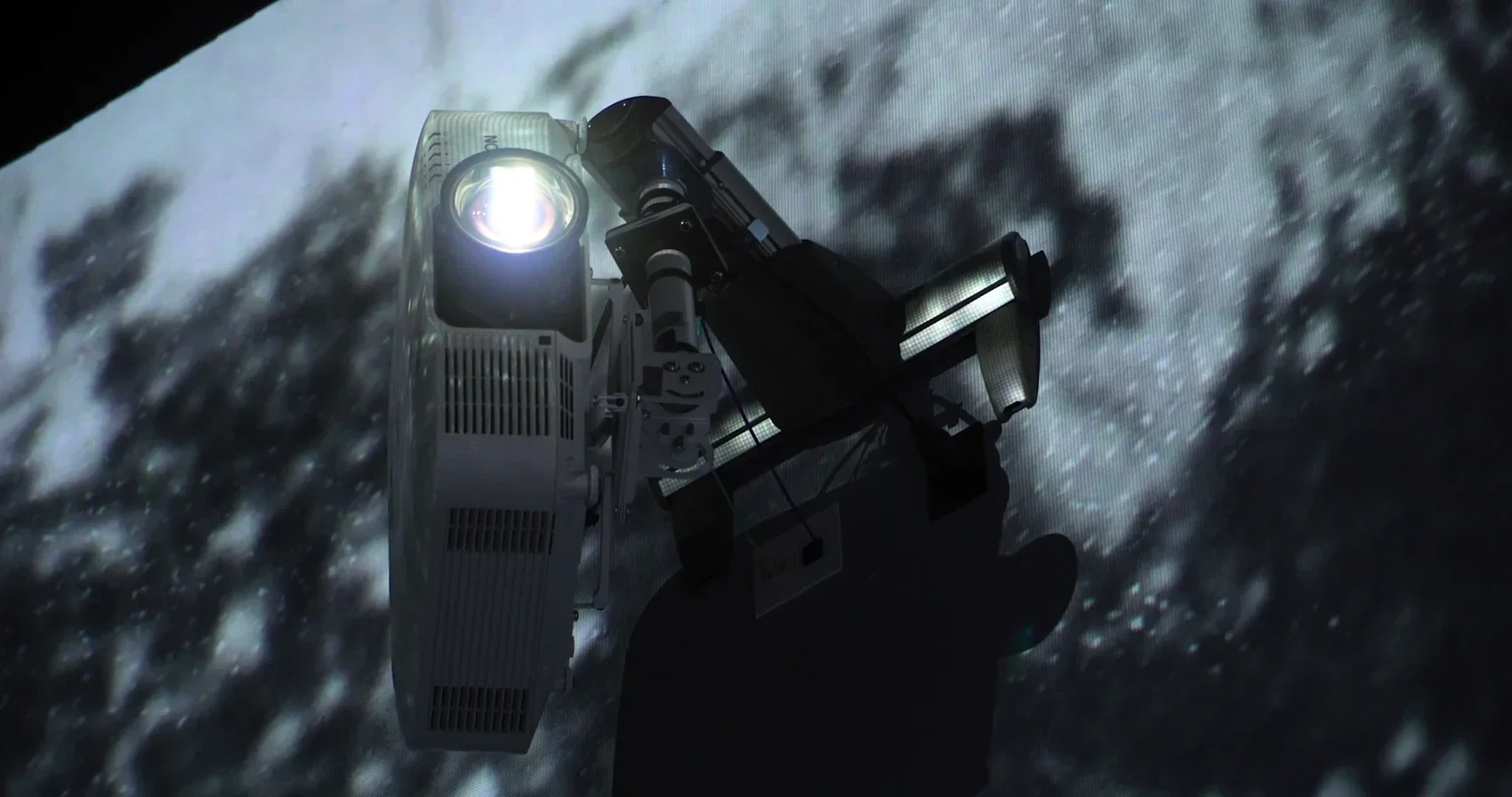
Developments
Approaches to art exhibitions have developed to include new technology and to consider a range of ideas beyond the educational and collection-centred role of traditional art museum establishments, leading to a new Museology. The growth in sensory technology has shifted object-centred spectatorship to an experiential immersion to embrace auditory, visual and other senses (Luo, D. et al 2024). There is a shift from being a passive spectator to an active participant.

Teamwork
Exhibition design often requires a combination of efforts from multiple specialists working together with the curators and museum team. This will involve a series of stages or phases that interlink and develop as the design progresses, with initial ideas leading to a conceptual framework for the overall aims of the exhibition. The experiences of the visitors/audience become an important principle in the overall design (Popoli and Derda 2021), and this can be seen as a shift from traditional, curatorial authority to one considering an audience-centred brief. This can be considered a democratisation of Art by some, or a dumbing down for the sake of entertainment.

IMMERSIVEARTS UK
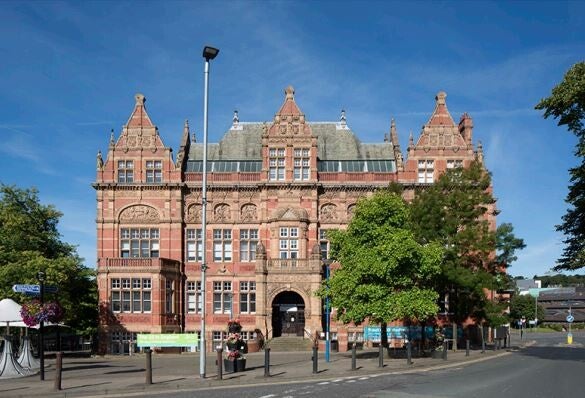
Immersive Art Experiences are here to stay, and it will be interesting to observe future developments, both technologically and developmentally in the Gallery and Museum setting. Independent commercial agencies and international collectives are driving things forward as popularity of the form increases.Traditional, institutional agencies are taking up the reigns and developing services to help give direction to immersive arts for developing artists.
The agency - Immersive Arts - is a funding, research, and support programme for UK-based artists, designed to help them develop their art by using immersive technologies. Artists at all levels of experience are invited to apply, to explore, experiment or expand how they work with this exciting field of practice and aspects of the service.
Art as commodity
Creating and commodifying art is inseparable to the cultural industries and to a capitalistic need to extract worth from all things. This can be seen in the expansion of Cultural and Visual Studies courses in universities and Art Schools, often at the expense of traditional Fine Art Degrees, with the “politics of the visual” (Heywood and Sandywell, 2017) stretching from the popular media to the realms of higher education and art and popular criticism.
Create Your Own Website With Webador